All Nonfiction
- Bullying
- Books
- Academic
- Author Interviews
- Celebrity interviews
- College Articles
- College Essays
- Educator of the Year
- Heroes
- Interviews
- Memoir
- Personal Experience
- Sports
- Travel & Culture
All Opinions
- Bullying
- Current Events / Politics
- Discrimination
- Drugs / Alcohol / Smoking
- Entertainment / Celebrities
- Environment
- Love / Relationships
- Movies / Music / TV
- Pop Culture / Trends
- School / College
- Social Issues / Civics
- Spirituality / Religion
- Sports / Hobbies
All Hot Topics
- Bullying
- Community Service
- Environment
- Health
- Letters to the Editor
- Pride & Prejudice
- What Matters
- Back
Summer Guide
- Program Links
- Program Reviews
- Back
College Guide
- College Links
- College Reviews
- College Essays
- College Articles
- Back
Nothing MAG
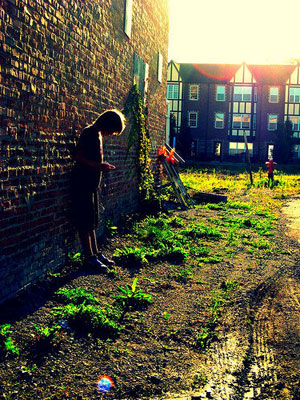
There once was a boy, and he was Nothing. And his name was spelled just like that: N-O-T-H-I-N-G. He was not an adult, not a kid, not quite even a teen. Just Nothing. He didn’t play soccer with the boys at school or run and try to kiss the girls; he didn’t play chess with the nerds. Day after day he was alone, and he talked to the trees.
“Why are you so tall?” he said, and the trees said nothing, just swayed their arms in the breeze and waggled their fingers and he imagined they were saying, “We don’t know. We don’t know.”
After school every day, Nothing walked to the little white house with green shutters, the one he called home. This was his favorite time of day, when the sun was still up and Grandma was still awake to bake him cookies and tell him stories and ask, “How was your day, Charles?” He was Charles to Grandma. For two hours in the afternoon he was Charles. He would always respond, “Nothing happened.” He was waiting for the day when something did happen, something he could run home to tell Grandma about. But he was still waiting.
The night was not so good. It was when his parents came home. Then, he became Worthless. Worthless by night, Nothing by day, and Charles when Grandma baked him cookies. Worthless, pick up your clothes. Worthless, wash the dishes, try to make yourself Useful. Worthless, take your meds. Worthless, stop looking at me like that. Stop looking at me. Just go to bed.
He heard them whispering when they thought he was asleep. Worthless, Worthless. We wish he’d never been born.
But one day, Nothing came home from school, ready to become Charles. Instead, he found no one but an angry red and blue truck, lights flashing. After that, there was no more Grandma. There was no more Charles.
Worthless had a fit that night. The worst of his fits. They’d never seen him like this. He broke a vase and a stack of dishes. He couldn’t see. He saw bright lights in his eyes, flashing, flashing, and they made him angry. He was screaming, screaming so loud he couldn’t hear himself anymore.
Nothing didn’t go to school for a long, long time after that. So long that even the teachers noticed he was missing. Nothing was gone so long, they wondered if he’d ever be back.
And then there he was, standing on the playground one day. He’d grown a little taller, and his hair was a little nicer, and he was wearing a nice red and blue striped polo tucked into his dress pants. And they thought maybe he’d be different now. And he was. He was different, and he was slowly becoming Charles to the kids at school.
But he realized things now. He noticed the looks he got. He noticed how when they saw him coming, their voices drifted away and they averted their eyes, awkwardly shuffling their feet. He noticed how when the kids playing four-square saw him approach, they’d pick up their ball and leave. He noticed that the trees were his only friends. “Why are people like that?” he asked them, and they waggled their fingers and shook their arms and said, “We don’t know. We don’t know.”
Similar Articles
JOIN THE DISCUSSION
This article has 17 comments.
This is beautiful, and you are a vastly talented writer.
Thank you for sharing your gift with us :)
<3
Hey Gymbabe, some of my stuff FINALLY got put up.
I'll strike you a deal. I'll read/comment/rate some of your stuff, but only if you check out mine too!
Yeah, it takes a long time, just be patient(I know, that's, like, impossible). This piece was awesome, though. I loved it.
Btw, will you guys check out and comment on my work?
Wow, This is incredible. What does Charles have? I'm ready ready ready for Charles to find the good kids in the world. He needs an adventure real bad. He needs you to help him.
Well, thats what I feel anyways.
How long did it take the people to read your article and post it online? I submitted many different things, but it's takin' forever.
54 articles 2 photos 69 comments