All Nonfiction
- Bullying
- Books
- Academic
- Author Interviews
- Celebrity interviews
- College Articles
- College Essays
- Educator of the Year
- Heroes
- Interviews
- Memoir
- Personal Experience
- Sports
- Travel & Culture
All Opinions
- Bullying
- Current Events / Politics
- Discrimination
- Drugs / Alcohol / Smoking
- Entertainment / Celebrities
- Environment
- Love / Relationships
- Movies / Music / TV
- Pop Culture / Trends
- School / College
- Social Issues / Civics
- Spirituality / Religion
- Sports / Hobbies
All Hot Topics
- Bullying
- Community Service
- Environment
- Health
- Letters to the Editor
- Pride & Prejudice
- What Matters
- Back
Summer Guide
- Program Links
- Program Reviews
- Back
College Guide
- College Links
- College Reviews
- College Essays
- College Articles
- Back
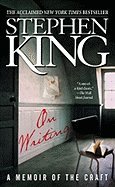
On Writing, A Memoir of the Craft by Stephen King MAG
I have never read a Stephen King book. I never really even thought of it before reading On Writing, in which the acclaimed horror novelist blends tales of his own childhood with helpful tips for any aspiring author.
Stephen King tells of his youth, not as a continuous tale, but as a series of events and images that shaped who he is and how he writes. Between shutting down power to the entire town with his older brother in an attempt to create a Super Duper Electromagnet, and meeting his future wife, Little Stevie manages to accrue a sizable stack of rejection letters and write his only attempt at satire – a newspaper article calling his high school principal “old cue ball.”
The middle section begins by explaining how writing is really just telepathy. His reasoning actually makes sense. (You'll have to read the book to understand though.) He also explains the tools needed to write well, his own personal methods, and other tidbits from inside the world of a very published author. He not only gives advice, but describes how he applies it to his own life and work. He gives examples of good writing and not-so-good writing.
The book closes with his story of getting hit by a van halfway through writing On Writing. He describes the struggle, both physical and mental, to continue with the craft he loves: writing.
I've never read a horror novel I liked. Well, I haven't really read all that many horror novels, to tell you the truth. But after reading Stephen King's On Writing, I think I will.
Similar Articles
JOIN THE DISCUSSION
This article has 6 comments.
0 articles 0 photos 4 comments
Favorite Quote:
Crochet keeps me from Unraveling :)